

How to Choose a Magnetic Stirrer: Heating, Positions & Capacity
4 Buying Decisions for a Magnetic Stirrer
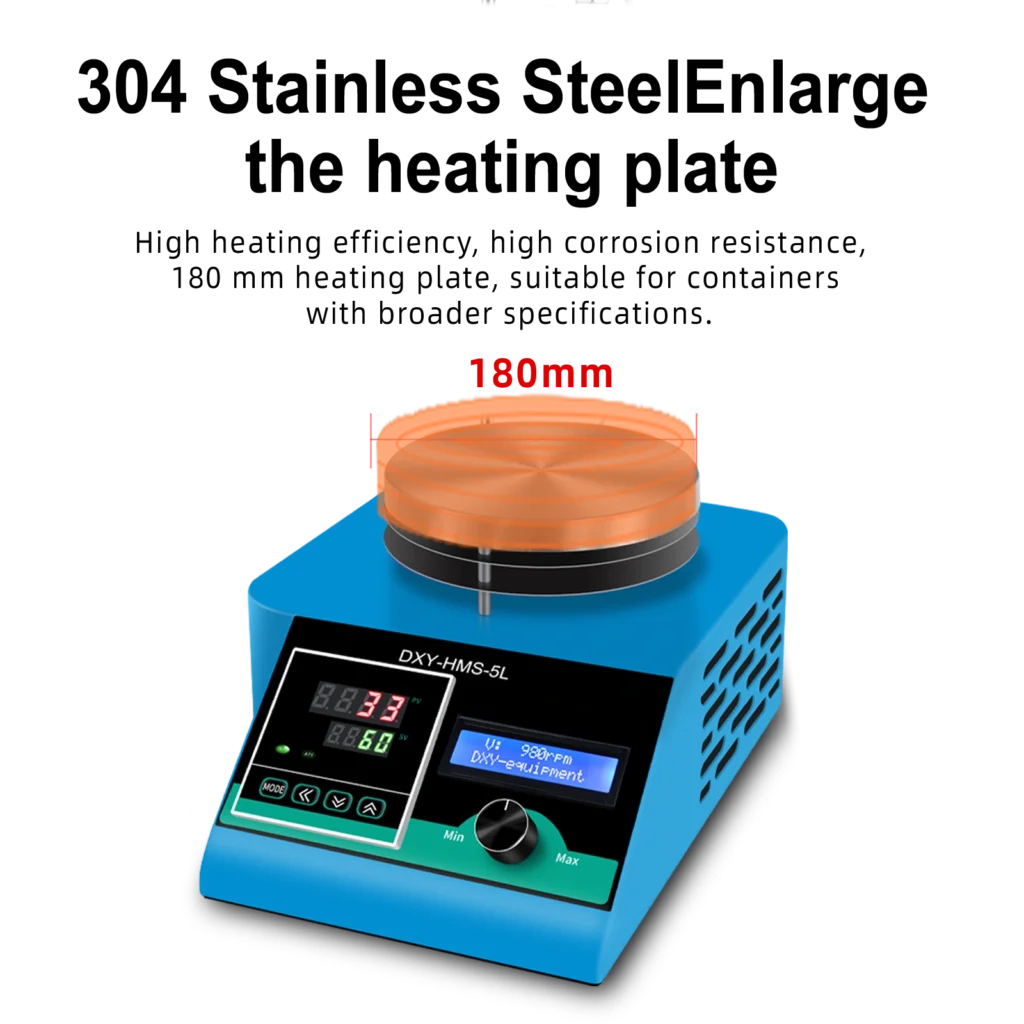
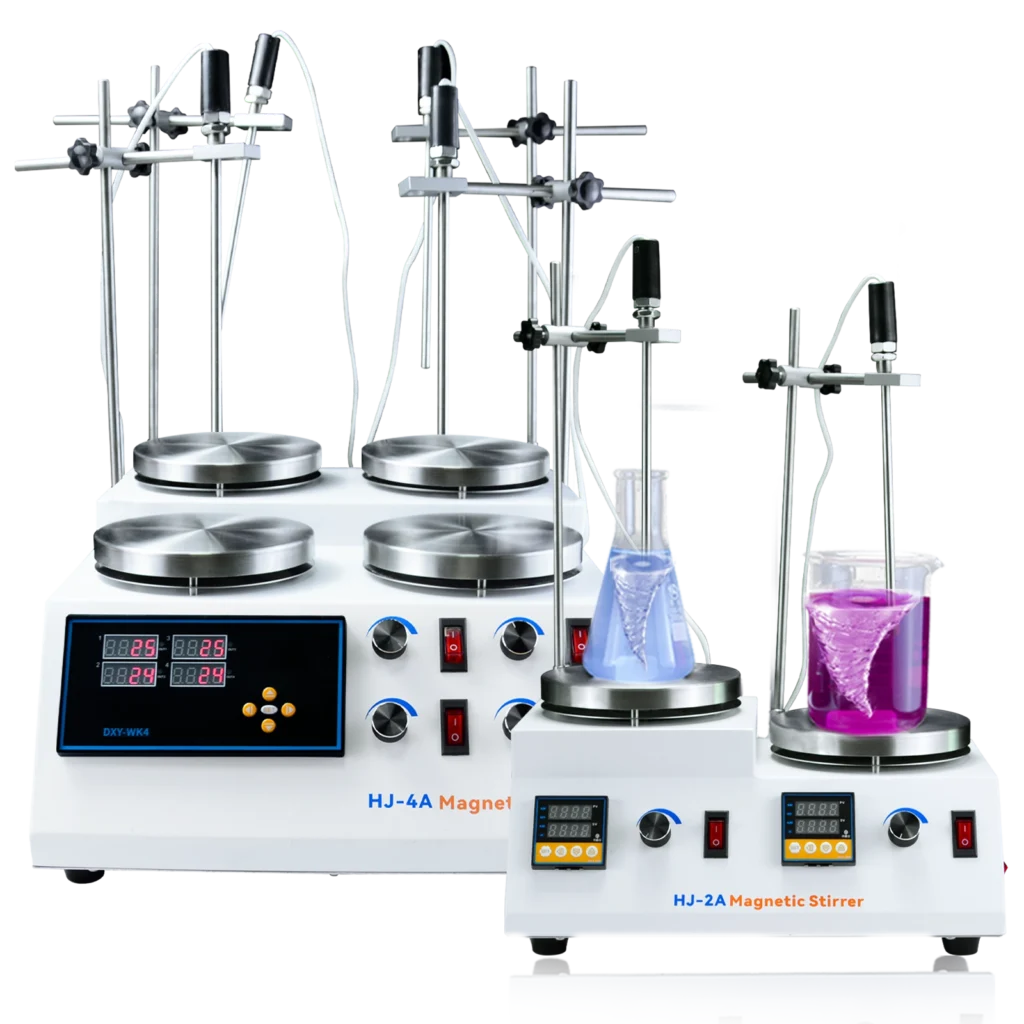
Heated or Room Temperature
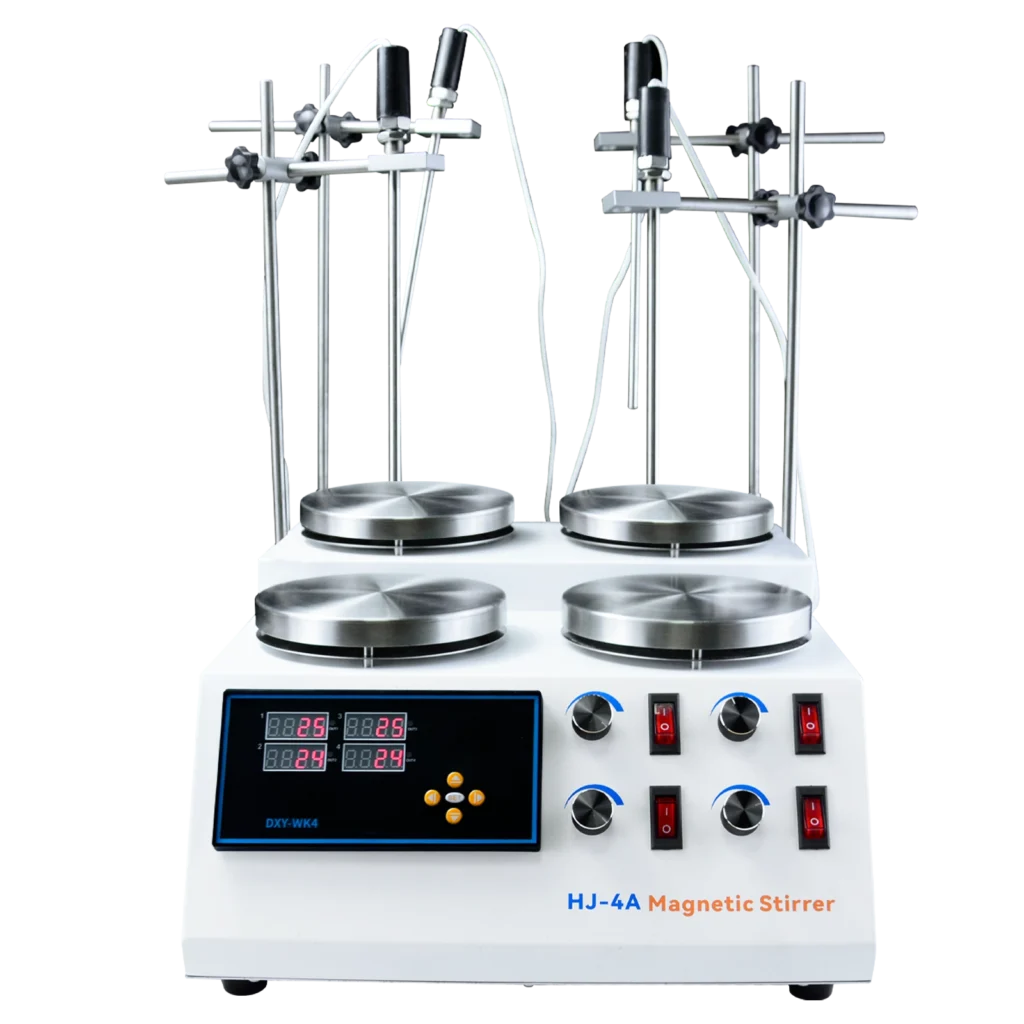
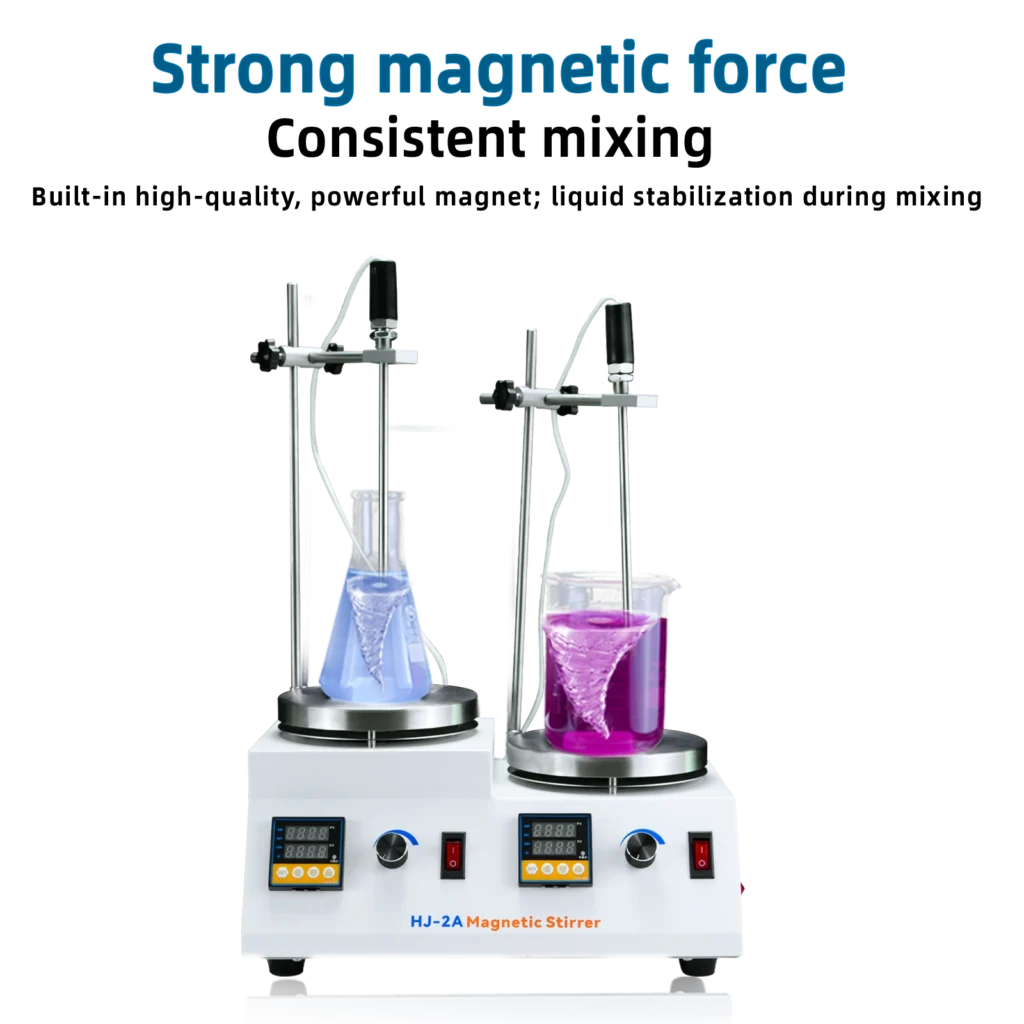
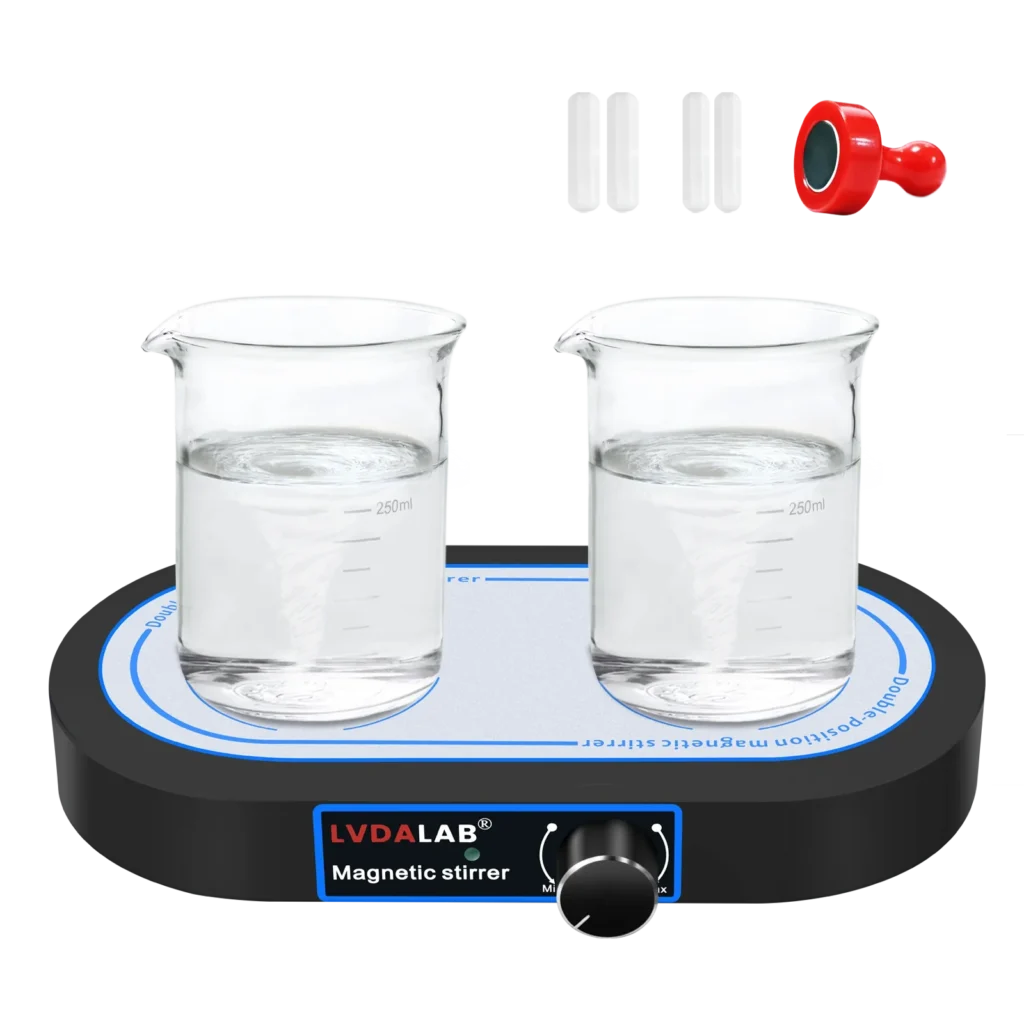
Parallel Positions
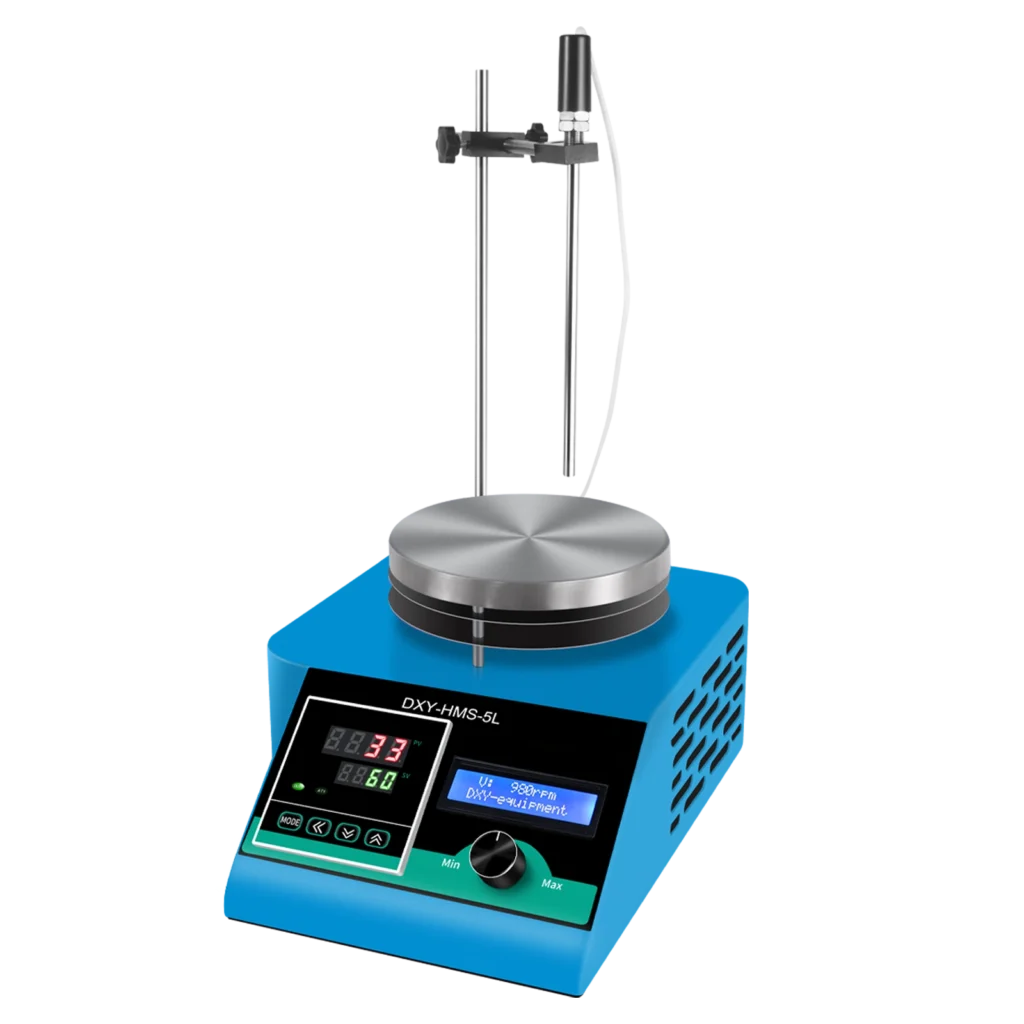
Per-Position Capacity & Speed
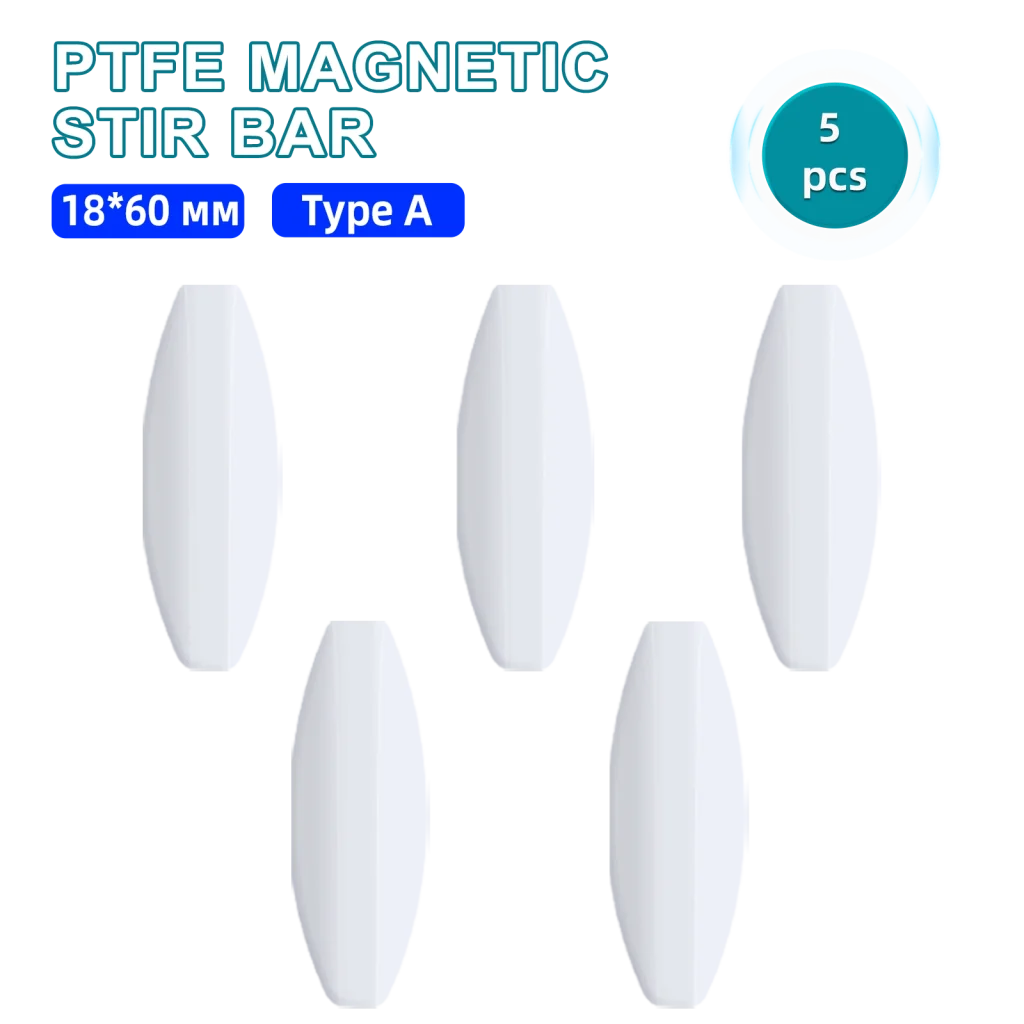
The Right Stir Bar
How to Select the Right Magnetic Stirrer?
1. Decide: Heating or Ambient Only
2. Count Positions & Size Capacity Honestly
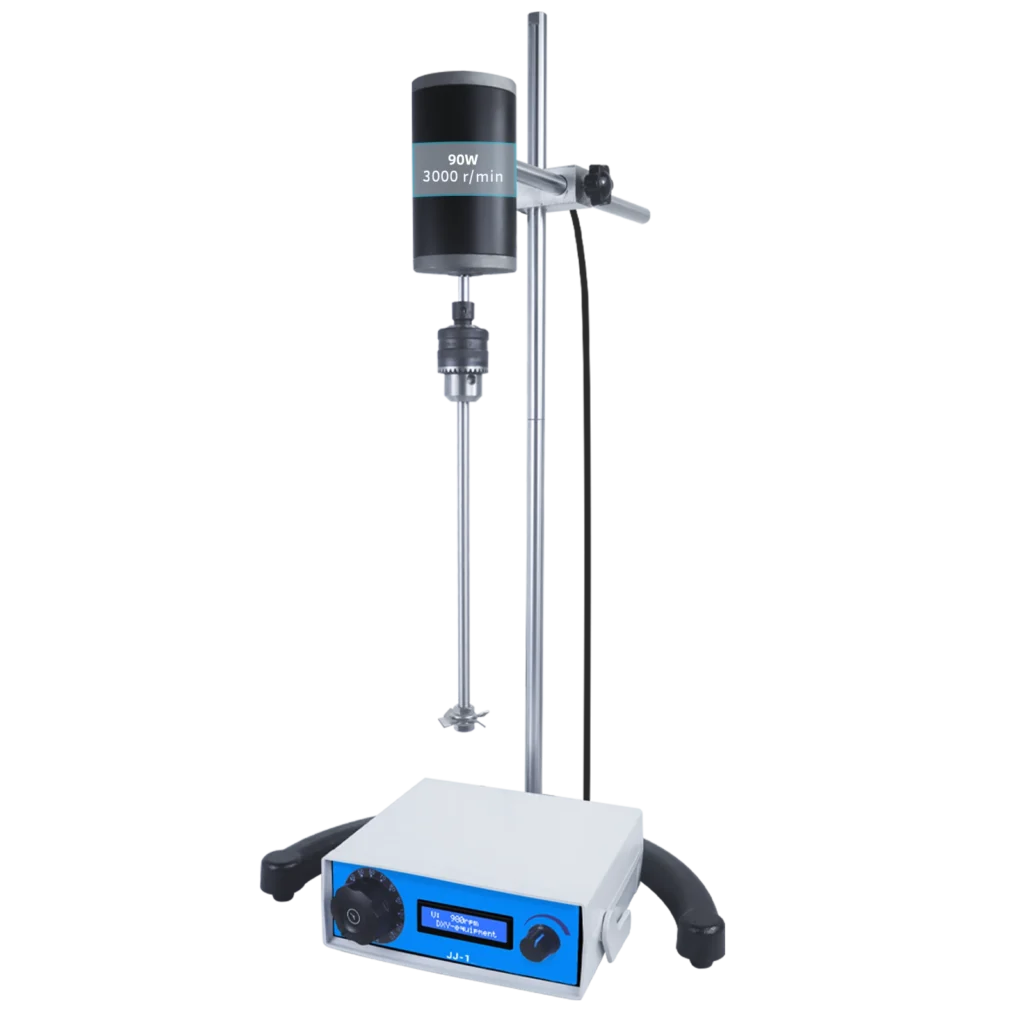
3. Respect the Viscosity Ceiling
Featured Magnetic Stirrers
Related Application Setups
Each setup is built from equipment, glassware and consumables that are used together on the same bench. Compare before you specify.
Mesh, diameter and frame material guidance for standard test sieves.
Mesh-to-micron conversion and sieve stack selection by particle range.
Capacity, temperature range and stirring options for bench heating.
High-temperature heating with uniform oil circulation and stirring.
Round-bottom flask heating with digital temperature control.
Overhead stirrers, shakers and the consumables that complete the bench.
Replacement evaporation flasks plus vacuum and chilling accessories.
Frequently Asked Questions About Magnetic Stirrers
Roughly up to thin-syrup consistency. Beyond that the bar decouples — our 140 W stirring baths or JJ-1 overhead stirrers take over.
Usually a bar too small for the vessel, a warped magnetic core, or speed ramped too fast. Start slow, then increase; match bar to vessel by the 1/2–2/3 rule.
Yes — the multi-position heated units give every station completely independent heating and speed dials, so one sample never disturbs its neighbours; the LVDALAB dual likewise runs two separate control circuits.
No — the bar must be PTFE-coated (the magnet core sits encased inside). Bare metal reacts with samples and scratches glass.
If your vessels sit inside a bath, use a stirring bath (magnetic drive built into the bath floor) or an overhead stirrer — a plain plate stirrer under a steel bath base cannot couple reliably, and a hot plate adds nothing there.