🧪 Solution & Equipment Guide

How to Choose a Magnetic Stirrer: Heating, Positions & Capacity
Heated or room-temperature only, one position or six, and the viscosity line where magnetic stirring stops working — a compact selection path built on the configurations we actually stock.
Magnetic stirrers spin a PTFE-coated bar through your liquid, so they handle thin-to-medium liquids brilliantly and pastes not at all. Pick a heated digital unit (1–6 positions at 1.5 L per station; single-position units up to 5 L) for controlled warming with mixing, or a no-heating dual-position 3000 RPM unit for parallel work at ambient — and know when the answer is an overhead stirrer instead.
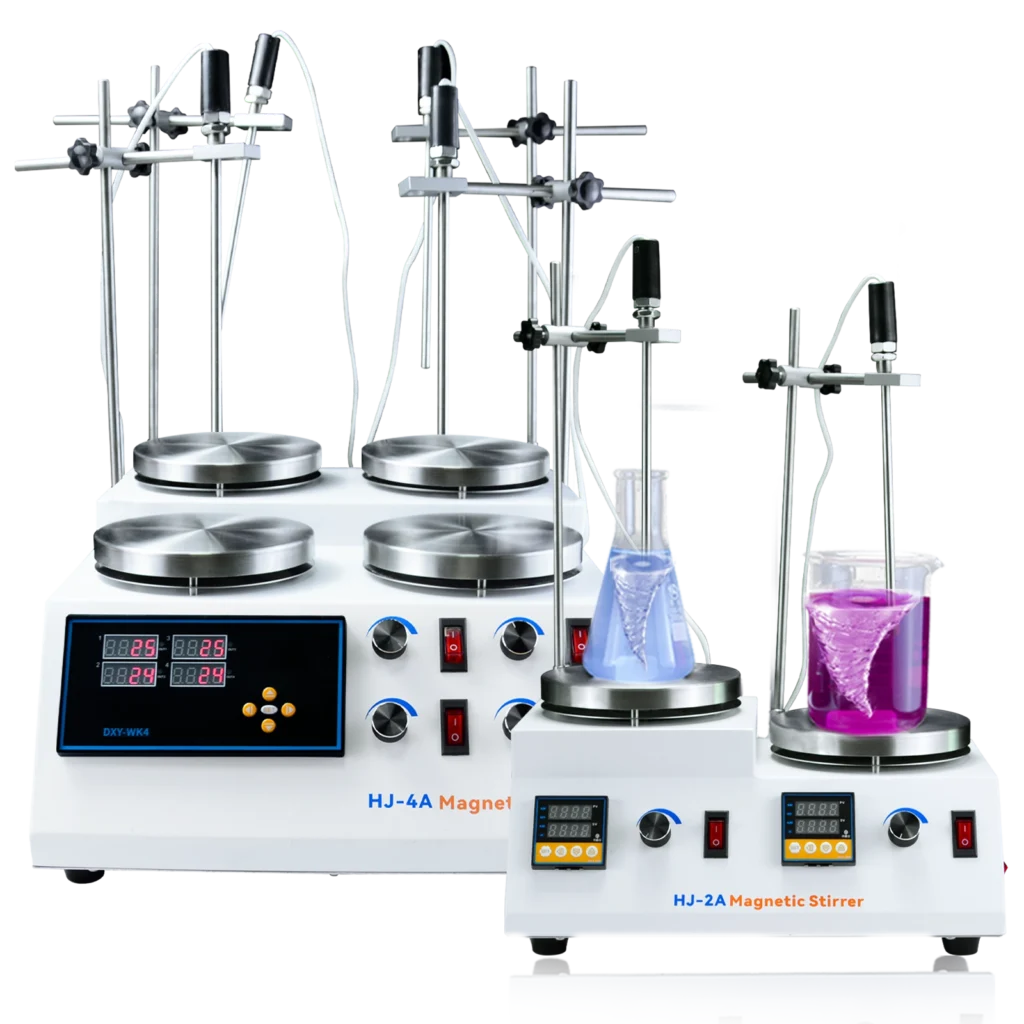
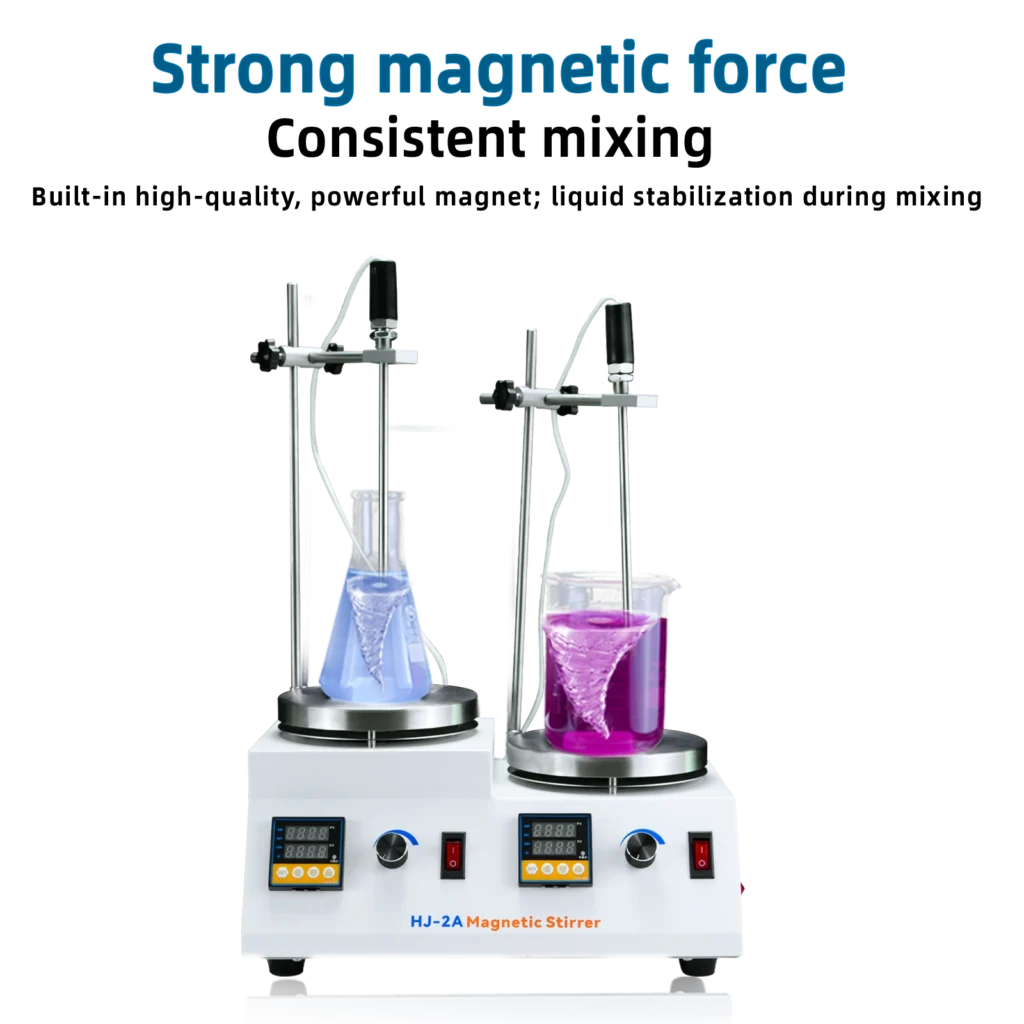
HJ magnetic stirrer mixing application

4 Buying Decisions for a Magnetic Stirrer
HJ 140mm laboratory heating plate

Heated or Room Temperature

Dissolutions, reactions and viscosity control need an independent hot plate with digital control. Plain mixing at ambient → a no-heating unit is cheaper and more stable.
Key Spec: independent hot plate · PID digital
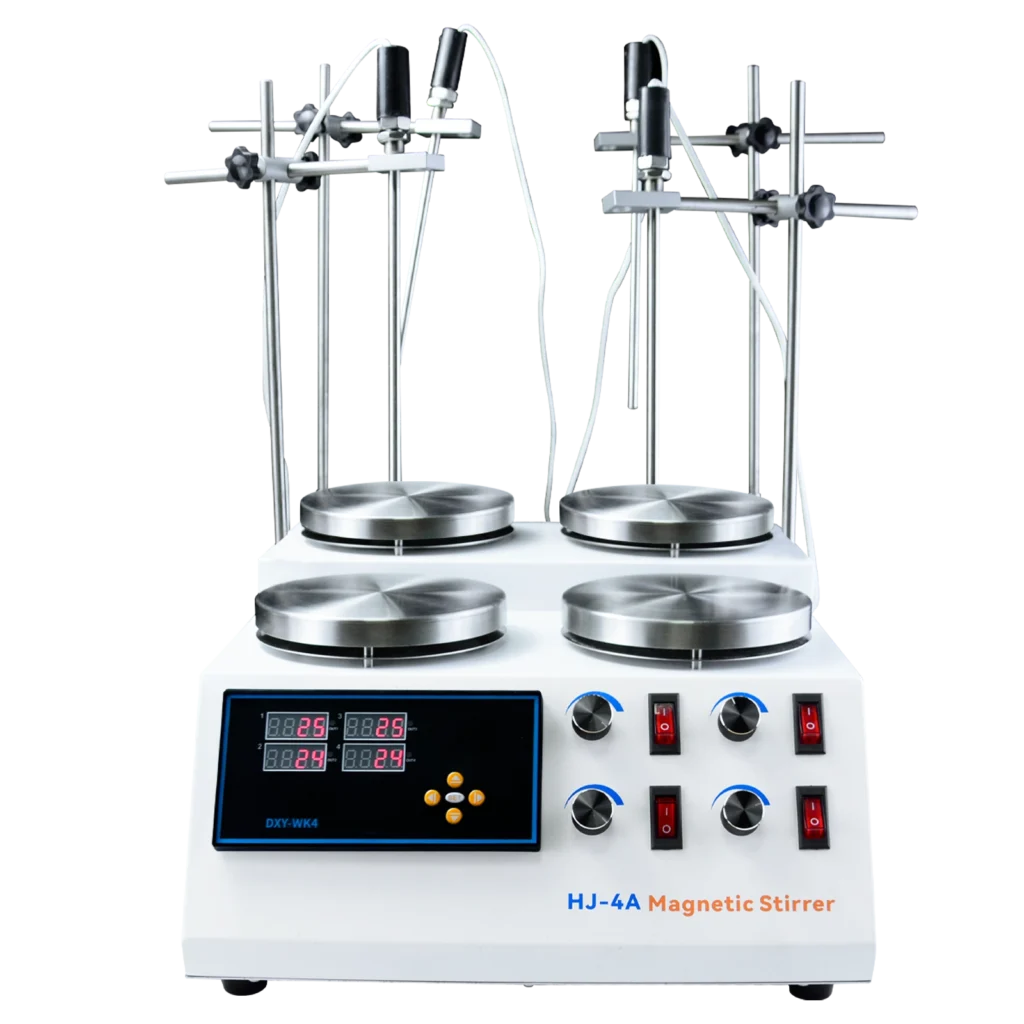
HJ-4A Digital Multi-Stirrer

Parallel Positions

Our heated line comes in 1 / 2 / 4 / 6 positions. If you routinely run several vessels at once, one multi-position unit beats four singles on cost, bench space and outlets.
Key Spec: 1 / 2 / 4 / 6 positions · 1.5 L each
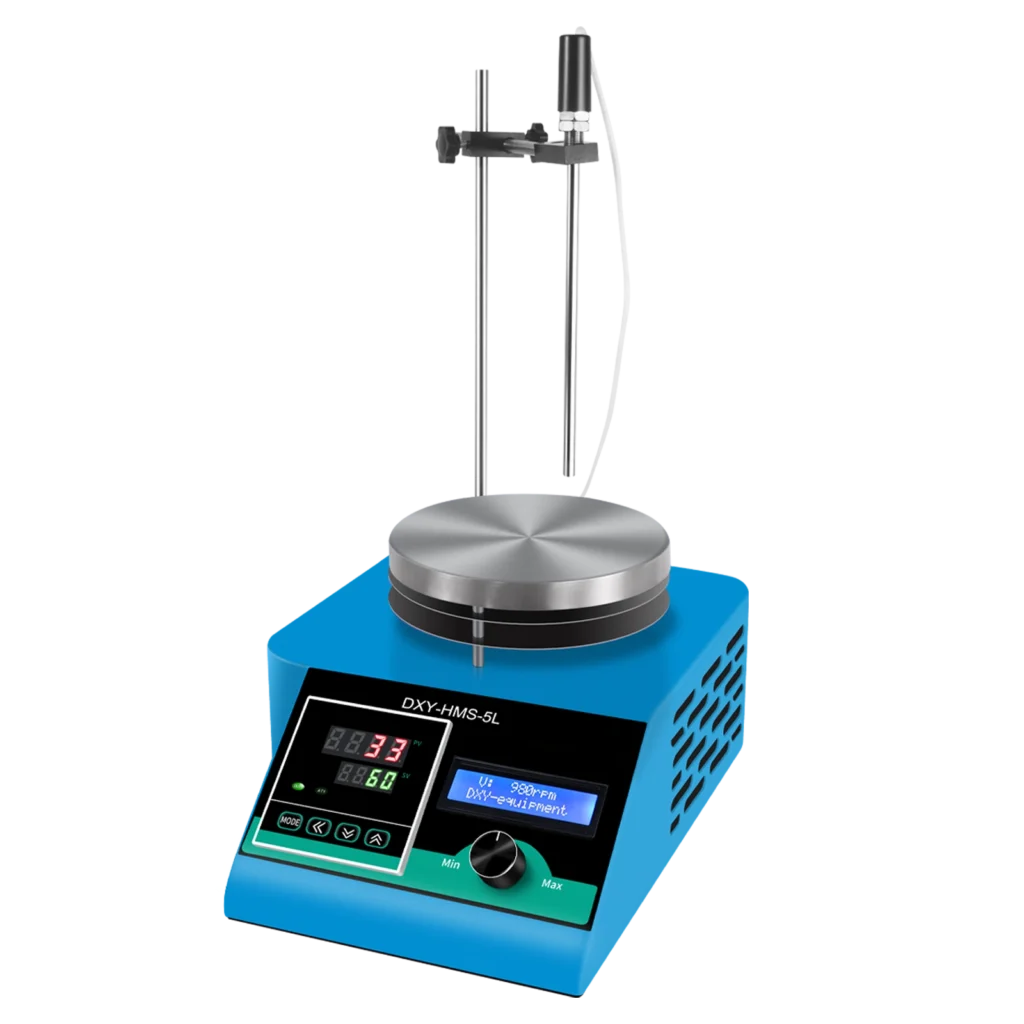
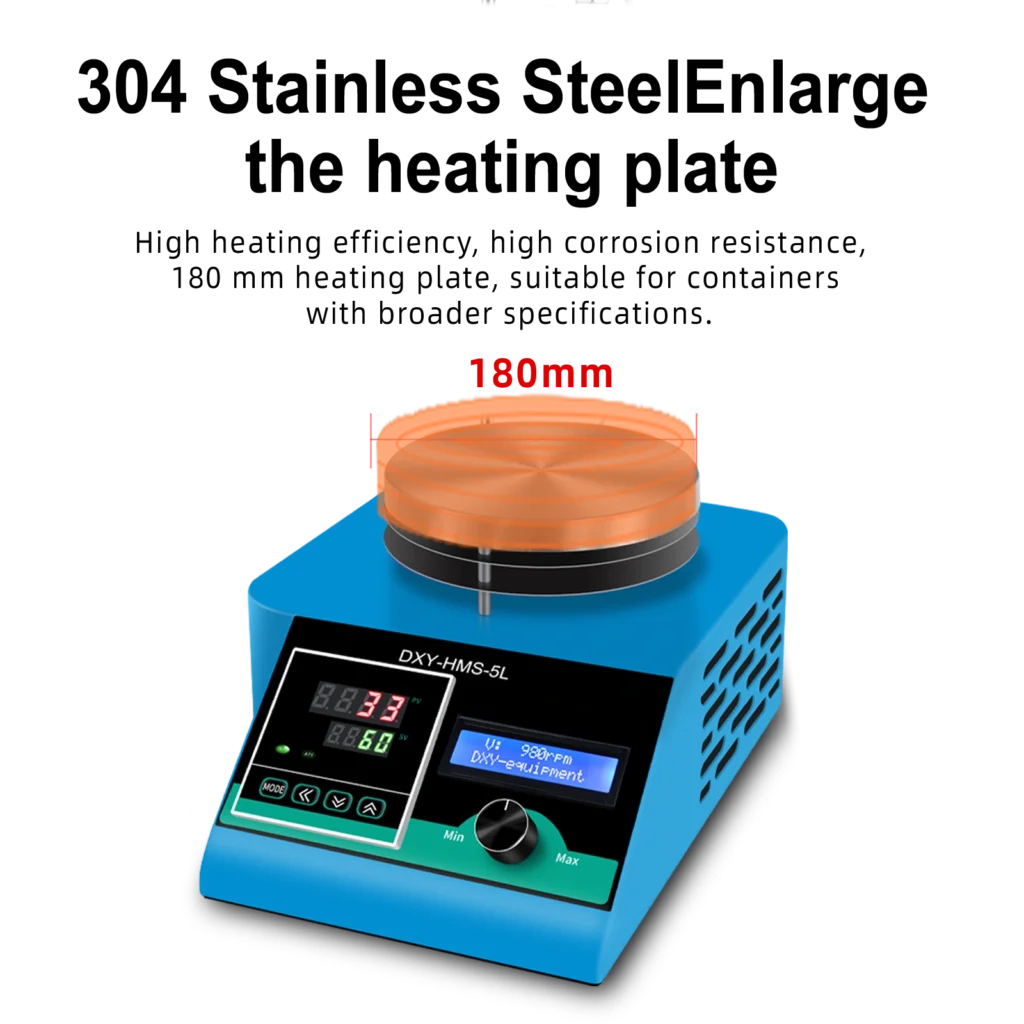
DXY-HMS-5L Magnetic Stirrer

Per-Position Capacity & Speed

1.5 L per position is the standard; 2 L and 5 L single units cover bigger vessels. Buy for your largest routine beaker, not the average one.
Key Spec: 1.5 / 2 / 5 L · up to 2500 RPM (heated)
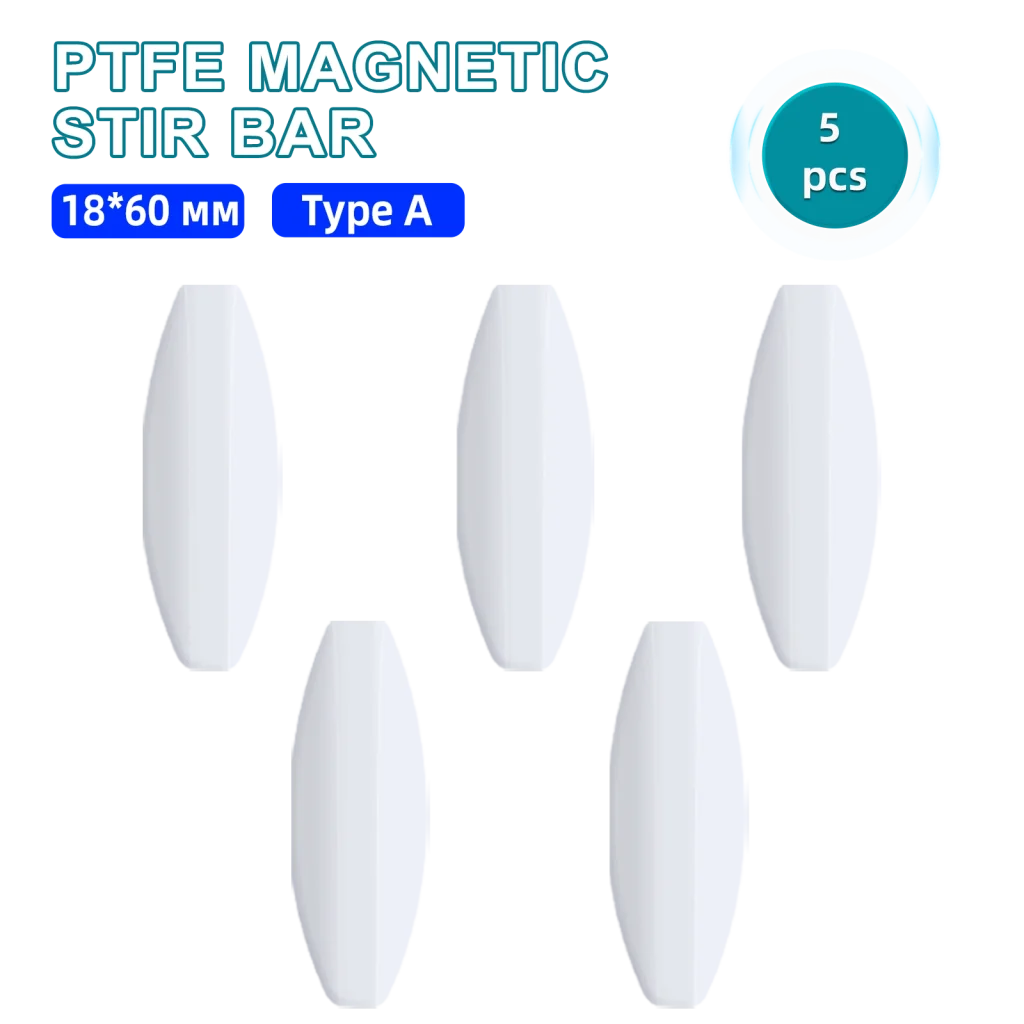
5pcs 18x60mm Oval Magnetic Stirrer Bar

The Right Stir Bar

Bar length ≈ 1/2–2/3 of the vessel bottom diameter. Oval bars suit round flasks; the pivot-ring Type B is the flat-bottom pick — a mismatched bar is the most common cause of “my stirrer is weak”.
Key Spec: PTFE oval · Type B pivot · Type C · 3–60 mm

How to Select the Right Magnetic Stirrer?

1. Decide: Heating or Ambient Only

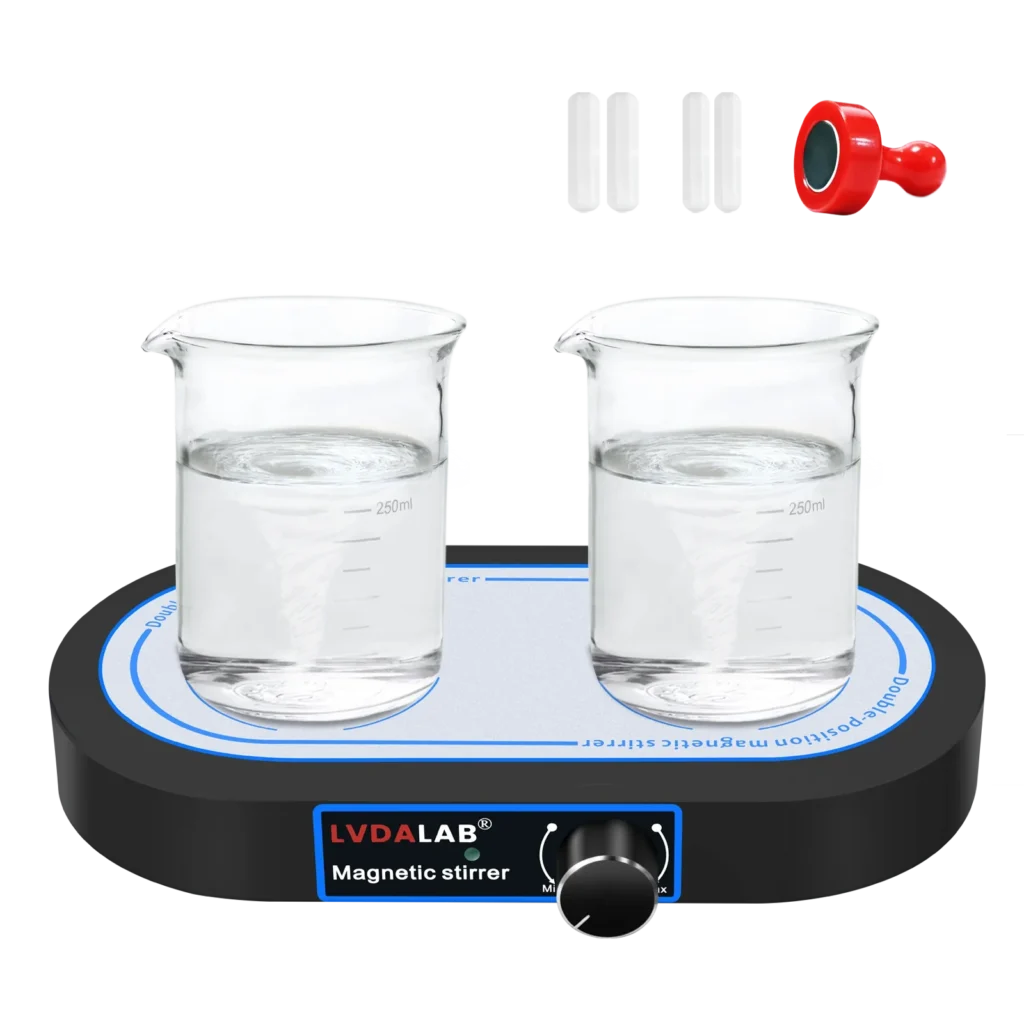
If your protocol needs controlled warming — dissolutions, reactions, viscosity control — choose the heated digital series with its independent hot plate. If you only mix at room temperature, the LVDALAB dual-position (2 independently controlled positions, 3000 RPM, no heating) does the job for a fraction of the price.

2. Count Positions & Size Capacity Honestly

Match the position count to a typical batch of vessels, not your worst-case day — parallel titrations and cell work love a 4- or 6-position deck. Then size per-position capacity to your largest common beaker: 1.5 L covers routine glassware; step to a 2 L or 5 L single-position unit for bigger flasks.

3. Respect the Viscosity Ceiling

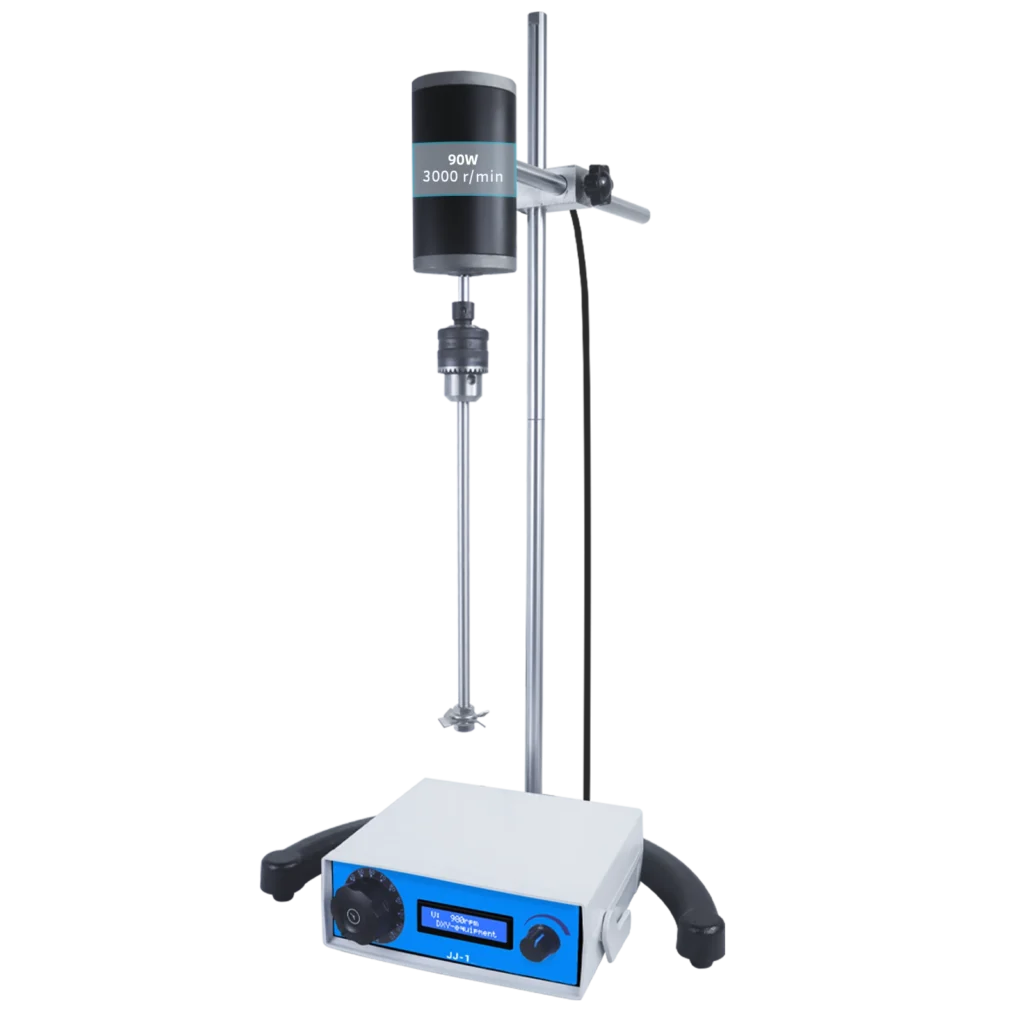
Magnetic coupling slips — the bar “jumps” — in pastes, paints and polymer solutions. That is the signal to change tools, not to spin faster: step up to a 140 W electric stirring bath or a JJ-1 overhead stirrer (40–300 W, vessels to 80 L). And start slow when ramping speed; a bar slammed straight to top speed decouples even in water.

Related Application Setups

Each setup is built from equipment, glassware and consumables that are used together on the same bench. Compare before you specify.

Mesh, diameter and frame material guidance for standard test sieves.

Mesh-to-micron conversion and sieve stack selection by particle range.

Capacity, temperature range and stirring options for bench heating.

High-temperature heating with uniform oil circulation and stirring.

Round-bottom flask heating with digital temperature control.

Overhead stirrers, shakers and the consumables that complete the bench.

Replacement evaporation flasks plus vacuum and chilling accessories.

Frequently Asked Questions About Magnetic Stirrers

Roughly up to thin-syrup consistency. Beyond that the bar decouples — our 140 W stirring baths or JJ-1 overhead stirrers take over.

Usually a bar too small for the vessel, a warped magnetic core, or speed ramped too fast. Start slow, then increase; match bar to vessel by the 1/2–2/3 rule.

Yes — the multi-position heated units give every station completely independent heating and speed dials, so one sample never disturbs its neighbours; the LVDALAB dual likewise runs two separate control circuits.

No — the bar must be PTFE-coated (the magnet core sits encased inside). Bare metal reacts with samples and scratches glass.

If your vessels sit inside a bath, use a stirring bath (magnetic drive built into the bath floor) or an overhead stirrer — a plain plate stirrer under a steel bath base cannot couple reliably, and a hot plate adds nothing there.